

What is Cell Senescence?
Cell senescence is a natural biological process where cells lose their ability to divide and function efficiently. While this mechanism helps protect the body from cancer by halting the growth of damaged cells, the accumulation of senescent cells contributes to aging and various chronic conditions. From reduced skin elasticity to increased risk of diseases like diabetes and cardiovascular ailments, senescent cells can accelerate the aging process.
Why Address Cell Senescence?
ombatting cell senescence is critical to enhancing physical vitality, reducing age-related diseases, and improving overall well-being. By leveraging scientific methods and lifestyle interventions, individuals can significantly slow aging and foster longevity.
Understanding Cell Senescence
How Does Cell Senescence Work?
Cellular senescence is primarily triggered by:
- Telomere Shortening: Protective caps at the ends of chromosomes become shorter with each cell division.
- DNA Damage: Caused by oxidative stress and environmental toxins.
- Chronic Inflammation: Prolonged inflammation accelerates cellular damage.
Indicators of Cellular Aging
Biomarkers like p16INK4a and SA-β-gal activity provide measurable insights into cellular aging. These markers help scientists and clinicians assess the progression of senescence in tissues.
Impact on the Body
Accumulated senescent cells release inflammatory signals, leading to tissue degeneration and chronic conditions such as Alzheimer’s disease, osteoporosis, and reduced organ function.
Lifestyle Interventions to Combat Cell Senescence
Dietary Strategies
- Caloric Restriction and Intermittent Fasting: Reducing calorie intake promotes autophagy, the body’s natural recycling process that removes damaged cells.
- Antioxidant-Rich Foods: Fruits, vegetables, and polyphenols (like resveratrol and curcumin) reduce oxidative stress.
- Omega-3 Fatty Acids: Found in fish and nuts, these combat inflammation and promote cellular health.
- Low Glycemic Index Diets: Help regulate blood sugar levels and minimize cellular damage from high glucose concentrations.
Physical Activity
Regular exercise reduces inflammation and promotes healthy cellular turnover. Incorporating aerobic and resistance training can improve mitochondrial function and slow aging.
Stress Management and Mental Well-being
Chronic stress accelerates cellular aging. Mindfulness practices like meditation, yoga, and deep breathing techniques help lower stress hormones and oxidative damage.
Sleep and Recovery
Deep sleep enables cellular repair and regeneration. Poor sleep, on the other hand, can exacerbate inflammation and cellular aging. Prioritizing sleep hygiene is essential for combating senescence.
Advances in Medical and Scientific Interventions
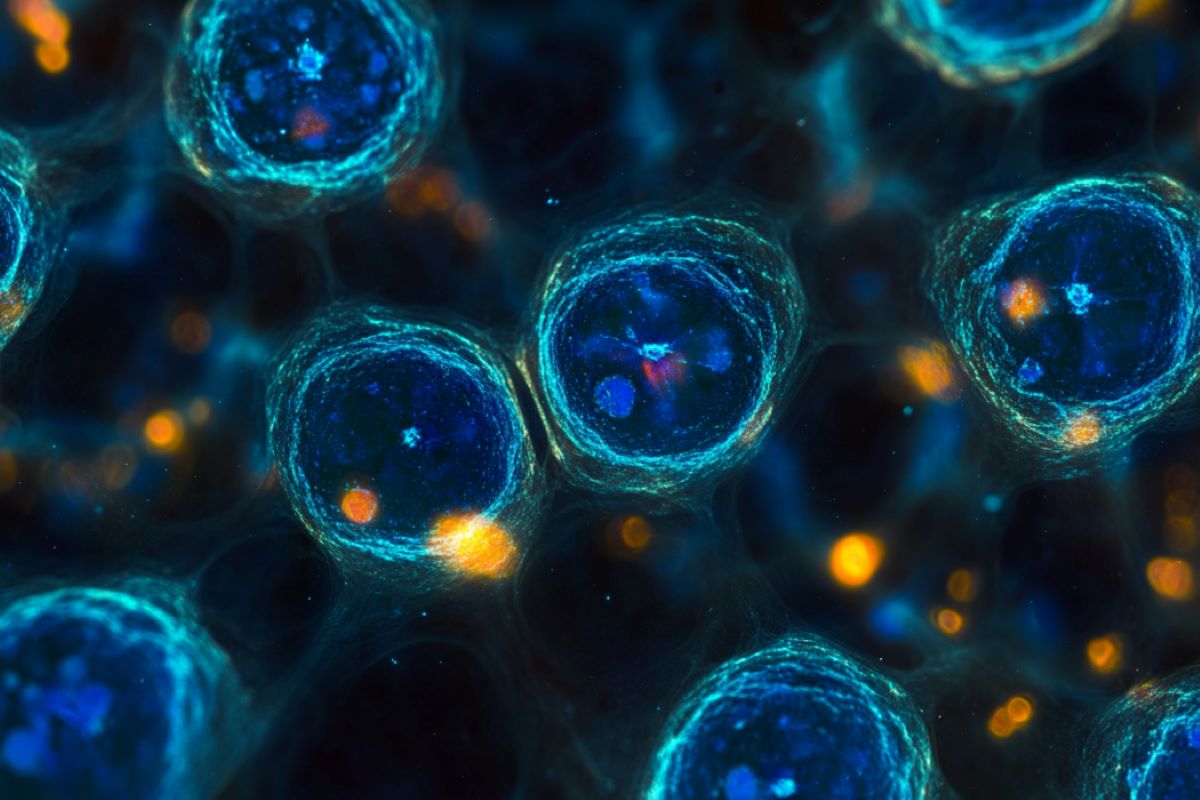
Senolytics: Drugs Targeting Senescent Cells
Senolytics are compounds designed to eliminate senescent cells. Examples include quercetin and dasatinib, which show promise in reducing inflammation and rejuvenating tissues.
NAD+ Boosting Therapies
NAD+ is a molecule essential for mitochondrial health. Its levels decline with age, but supplementation with precursors like nicotinamide riboside (NR) or NMN has been shown to improve cellular energy and function.
Telomere Extension Techniques
Telomeres protect chromosomes from degradation. Research into telomerase activation—an enzyme that rebuilds telomeres—could potentially delay cellular aging.
Stem Cell Therapy
Stem cells can replace damaged cells and rejuvenate tissues. While still in the experimental stage, they hold potential for reversing age-related cellular damage.
Gene Editing and CRISPR Technology
Gene-editing tools like CRISPR offer the ability to repair DNA damage and address mutations that drive senescence. While promising, ethical considerations remain.
Other Cutting-Edge Therapies
- mTOR Inhibitors: Drugs like rapamycin slow cellular aging by modulating nutrient-sensing pathways.
- Fasting Mimicking Diets: Replicate the benefits of fasting without full caloric restriction, promoting autophagy and cellular renewal.
Environmental and External Factors
Pollution’s Impact on Cellular Aging
Airborne toxins contribute to oxidative stress. Reducing exposure through air purifiers and a clean diet can protect cellular health.
Sunlight and UV Damage
UV rays cause DNA damage, leading to premature aging. Sunscreen and antioxidant-rich skincare products are crucial defenses.
Toxins and Lifestyle Choices
Smoking, alcohol, and environmental toxins accelerate cellular damage. Detoxification strategies, including hydration and antioxidant supplementation, are essential.
Skin and Aesthetic Applications
Anti-Aging Skincare Strategies
Products containing retinoids, peptides, and antioxidants like vitamin C support collagen production and mitigate skin senescence.
Non-Invasive Treatments
Procedures like laser therapy, micro-needling, and PRP (platelet-rich plasma) stimulate skin rejuvenation and enhance cellular turnover.
Collagen and Elastin Support
Maintaining these proteins is essential for youthful skin. Bone broth, collagen supplements, and vitamin C-rich foods are effective in promoting their synthesis.
Future Prospects in Anti-Aging Research
Emerging Fields of Study
- Epigenetics explores how lifestyle and environment influence gene expression.
- Microbiome science reveals the connection between gut health and cellular aging.
- AI-driven longevity research is unlocking new possibilities in personalized anti-aging therapies.
Potential Breakthroughs
Ongoing clinical trials on senolytics, gene therapies, and NAD+ boosters indicate a promising future for combating aging. Challenges include ensuring safety and accessibility.
Conclusion
Addressing cell senescence is a multifaceted approach combining lifestyle adjustments, medical innovations, and environmental awareness. By incorporating science-backed strategies, individuals can slow the aging process, enhance vitality, and promote longevity. Staying informed about advancements in anti-aging research is essential for embracing the future of health and youthfulness.
