

Hormones play a crucial role in maintaining overall health and well-being. From regulating metabolism and mood to supporting reproductive health, these chemical messengers keep our body functioning optimally. However, factors like stress, poor diet, environmental toxins, and lifestyle choices can disrupt hormonal balance. A hormone detox can help reset your body naturally, paving the way for better health and vitality. Let’s explore how to simplify hormone detox and achieve lasting results.
Understanding Hormone Detox
What is Hormone Detoxification?
Hormone detox is the process of eliminating excess or harmful hormones and toxins from the body to restore balance. Key organs like the liver, kidneys, and gut work together to metabolize and excrete hormones, ensuring the endocrine system functions efficiently.
Why is Hormone Detox Important?
Hormonal imbalances can lead to symptoms like weight gain, fatigue, mood swings, and more severe health issues such as PCOS or thyroid disorders. Detoxing helps to:
- Clear out synthetic hormones and environmental toxins.
- Support natural hormone production.
- Reduce inflammation and oxidative stress.
Natural vs. Artificial Detox
While synthetic detox methods can offer quick fixes, they often come with side effects. A natural approach focuses on nourishing the body through lifestyle changes, dietary improvements, and toxin elimination for sustainable results.
Signs You Need a Hormone Detox
Recognizing when your body needs a reset is essential. Some common indicators include:
Physical Symptoms
- Persistent weight gain or difficulty losing weight.
- Acne, hair thinning, or brittle nails.
- Digestive issues like bloating or constipation.
Emotional Symptoms
- Increased anxiety or depression.
- Irritability and mood swings.
- Difficulty concentrating or brain fog.
Other Indicators
- Irregular menstrual cycles or severe PMS symptoms.
- Sleep disturbances or insomnia.
- Low energy levels.
Key Principles of a Natural Hormone Detox
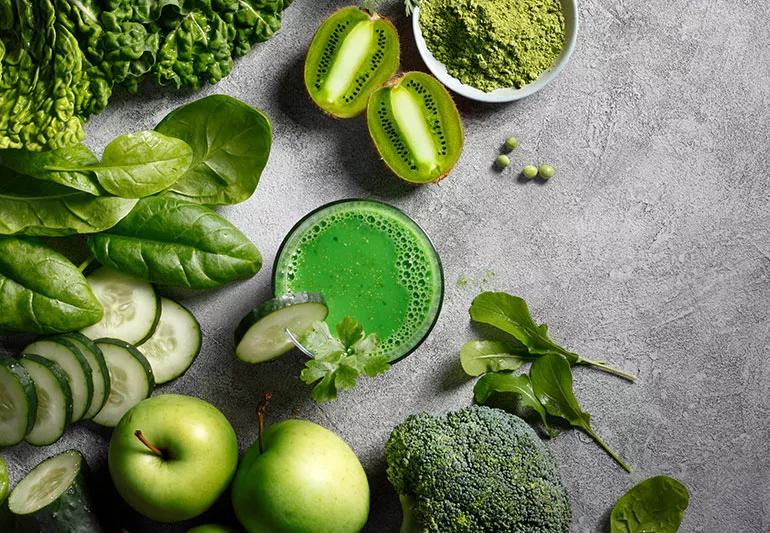
- Dietary Adjustments
Your diet plays a pivotal role in hormone health. Incorporate:
- Cruciferous Vegetables: Broccoli, kale, and cauliflower to support liver detox.
- Healthy Fats: Avocado, nuts, and seeds for hormone production.
- Fiber-Rich Foods: Whole grains and legumes to improve gut health and excrete toxins. Avoid processed sugars, caffeine, alcohol, and trans fats, which disrupt hormonal balance.
- Lifestyle Changes
- Exercise: Regular physical activity reduces cortisol (the stress hormone) and promotes better metabolism.
- Sleep: Aim for 7-8 hours of quality sleep to allow the body to repair and detox.
- Stress Management: Practices like meditation, deep breathing, and yoga help regulate stress hormones.
- Detox-Friendly Supplements
Consider natural supplements such as:
- Maca Root: For balancing estrogen and progesterone.
- DIM (Diindolylmethane): Found in cruciferous vegetables to support estrogen metabolism.
- Magnesium and Zinc: Essential for hormone production and balance.
- Toxin Elimination
Reduce exposure to endocrine-disrupting chemicals (EDCs) by switching to organic products and avoiding plastics, pesticides, and synthetic beauty products.
Step-by-Step Guide to a Hormone Detox
Preparing for the Detox
- Assess your symptoms and hormonal health.
- Set realistic goals for your detox journey.
Daily Detox Routine
- Morning: Start with warm lemon water to boost digestion.
- Meals: Focus on balanced, nutrient-dense foods.
- Evening: Unwind with herbal teas like dandelion root or chamomile.
Tracking Progress
Keep a journal to note changes in symptoms, energy levels, and mood. This helps identify what works best for your body.
Overcoming Challenges
- Manage initial detox symptoms like headaches or fatigue by staying hydrated.
- Stay consistent and seek support if needed.
Foods That Support Hormone Detox
Superfoods for Hormonal Health
- Cruciferous Vegetables: Aid in detoxifying excess estrogen.
- Omega-3-Rich Foods: Salmon, walnuts, and flaxseeds for reducing inflammation.
- Antioxidant-Rich Fruits: Berries and citrus to combat oxidative stress.
Herbal Teas and Natural Drinks
- Green Tea: Rich in antioxidants to support liver function.
- Ginger Tea: Reduces inflammation and aids digestion.
- Detox Smoothies: Blend spinach, avocado, and flaxseed for a hormone-balancing drink.
Probiotics for Gut Health
Include yogurt, kefir, and fermented vegetables to support gut health, which is closely linked to hormonal balance.
The Role of Stress Management
The Stress-Hormone Connection
Chronic stress elevates cortisol levels, which can disrupt other hormones like insulin and thyroid hormones.
Stress-Reduction Techniques
- Practice mindfulness and meditation to calm the mind.
- Engage in regular physical activities like yoga or walking.
- Journaling and gratitude exercises can improve emotional well-being.
How Exercise Supports Hormone Detox
Types of Exercises
- Cardio Workouts: Reduce cortisol and boost mood.
- Strength Training: Improves metabolism and balances testosterone.
- Yoga and Pilates: Enhance flexibility and reduce stress hormones.
Building a Routine
Create a sustainable exercise plan by combining moderate-intensity workouts with rest days to avoid overexertion.
Avoiding Hormonal Disruptors
Environmental Toxins
- Use glass or stainless steel containers instead of plastic.
- Opt for natural cleaning and personal care products.
Medication Awareness
Certain medications may impact hormonal balance. Consult with a healthcare provider for alternatives if needed.
Hormonal Detox for Different Life Stages
For Women
- Address hormonal changes during menstruation, pregnancy, and menopause with tailored strategies.
For Men
- Focus on boosting testosterone through diet and exercise.
For Teens
- Support puberty-related changes with a nutrient-dense diet and stress management techniques.
Maintaining Hormonal Balance After Detox
Building Long-Term Habits
- Continue eating clean and minimizing exposure to toxins.
- Incorporate periodic detoxes as needed.
Monitoring Your Hormonal Health
- Regular check-ups and hormone testing can help track your progress.
Seeking Professional Help
If symptoms persist, consult with an endocrinologist or functional medicine practitioner.
Conclusion
A hormone detox doesn’t have to be complicated. By adopting natural strategies like a balanced diet, regular exercise, and stress management, you can reset your body and achieve hormonal harmony. Embrace these changes as a lifestyle for sustained health and vitality.
