
Diabetes is a large-scale health problem which affcts regardless of geographic location, age group, or gender. The major reasons for this ever-increasing diabetes epidemic include unhealthy food habits, obesity and lack of physical activity. Diabetes is known to cause complications such as cardiovascular disorders, diabetic retinopathy, diabetic nephropathy and peripheral neuropathy.
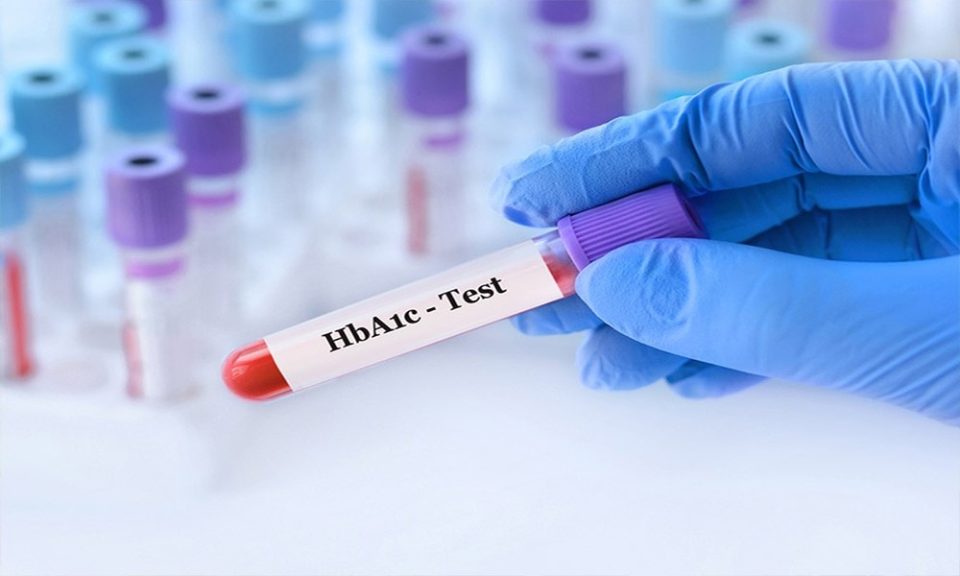
An HbA1c test (glycated hemoglobin) is an important test that helps evaluate diabetes. This test shows average blood sugar levels over the past 90 days. Hemoglobin is an oxygen-binding protein that carries oxygen from the lungs to tissues. However, over time hemoglobin becomes glycated or coated with glucose from the bloodstream. Given that the red blood cells (RBCs) typically live for 120 days, this test becomes a reliable indicator of blood sugar levels as sugar molecules remain attached to the hemoglobin throughout their lifespan.
Why would you need this test?
An individual with diabetes may need to undergo an A1C test at least twice a year to know the effectiveness of their diabetes management approach. If someone exhibits symptoms of diabetes but lacks a formal diagnosis, a healthcare provider may order an A1C test. The common symptoms include:
• Persistent fatigue
• Frequent urination (polyuria)
• Excessive thirst (polydipsia)
• Blurred vision
In addition, the test may be recommended to screen for Type 2 diabetes in individuals at risk, including those with:
• Obesity
• Age over 35
• Family history of Type 2 diabetes
• A sedentary lifestyle
If you live in Delhi-NCR or Mumbai and wish to enquire about the HbA1C test price in your area, you can do an online search to find the relevant information.
What to expect during the test?
For drawing out the blood sample, an accessible vein is located by a trained phlebotomist and the site is then disinfected. A small needle is then inserted to draw the sample. After getting the sample, the needle is removed and a cotton ball is placed on the site to stop any bleeding. A bandage is then applied over the area. The blood sample is then sent to the laboratory for analysis. To review the results, you need to schedule an appointment with your doctor.
Preparations
Your doctor may provide specific instructions on preparing for this test. Since there is no fasting required for the test, you may continue to eat and drink normally before the test. You can also continue your regular medications unless your doctor advises otherwise. It is important to note that you should try to relax and avoid stress before and after the test, as stress can also affect blood sugar levels.
Disclaimer: This information is for general awareness only and should not be considered as professional medical advice. Always consult a qualified healthcare provider for personalised guidance.
