
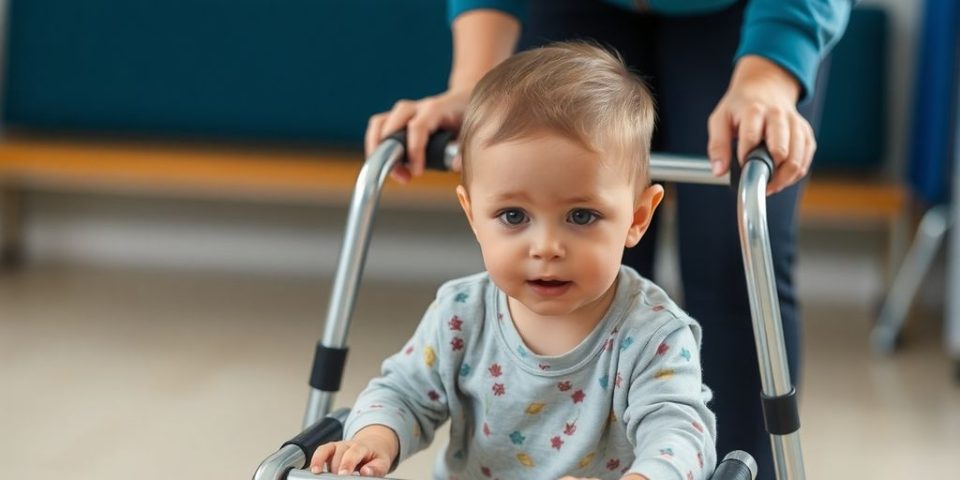
Spastic cerebral palsy is the most common type of cerebral palsy, affecting roughly 80% of individuals diagnosed with the condition. It’s characterized by increased muscle tone, which makes the muscles stiff and can lead to awkward movements. This stiffness, or spasticity, can affect different parts of the body, and the way it impacts a person’s movement can vary quite a bit. The underlying cause is damage to the parts of the brain that control muscle movement. This damage can happen before, during, or shortly after birth.
Defining Spastic Cerebral Palsy
At its core, spastic cerebral palsy means that a person’s muscles are constantly tense. This tension makes it hard to move smoothly and can result in involuntary muscle contractions. Think of it like trying to bend a very stiff rubber band – it resists and doesn’t move easily. This can affect posture, balance, and the ability to perform everyday tasks. The specific symptoms and their severity depend on which areas of the brain are affected and the extent of the damage.
Types of Spastic Cerebral Palsy
Spastic cerebral palsy is further categorized based on the body parts affected:
- Spastic hemiplegia: This affects one side of the body, typically the arm and leg on the same side. The affected limbs might be longer and thinner than the unaffected ones.
- Spastic diplegia: This primarily impacts the legs, with the arms being less affected or not affected at all. People with diplegia often walk with a scissor-like gait, where their knees cross over each other.
- Spastic quadriplegia: This is the most severe form, affecting all four limbs, the trunk, and sometimes the muscles used for speech and swallowing. As mentioned in discussions about spastic quadriplegia, it can significantly impact daily living.
Impact on Motor Function
The increased muscle tone in spastic cerebral palsy directly influences motor function. This can manifest in several ways:
- Difficulty with fine motor skills: Tasks like writing, buttoning clothes, or using utensils can be challenging.
- Problems with gross motor skills: Walking, running, and maintaining balance may be affected.
- Abnormal reflexes: Deep tendon reflexes are often exaggerated.
- Muscle weakness: Despite the stiffness, the muscles can also be weak, making coordinated movement even harder.
Managing these motor challenges often involves a combination of therapies and sometimes medication, like those used to relax muscles. The goal is to improve function and independence as much as possible.
Causes of Spastic Cerebral Palsy
Spastic cerebral palsy, the most common form of the condition, arises from damage to the brain’s motor cortex, the area responsible for voluntary movement. This damage can happen at various stages of development, leading to the characteristic muscle stiffness and awkward movements associated with spasticity. Understanding these origins is key to prevention and early intervention efforts.
Prenatal Factors
Many factors can affect brain development before birth. These include:
- Genetic mutations: Rare genetic conditions can sometimes lead to abnormal brain development.
- Maternal infections: Certain infections during pregnancy, such as rubella or cytomegalovirus (CMV), can harm the developing brain.
- Placental problems: Issues with the placenta, like insufficient blood supply, can deprive the fetus of oxygen.
- Exposure to toxins: Certain substances, including some medications or alcohol consumed during pregnancy, can be harmful.
Perinatal Factors
Events occurring around the time of birth also play a significant role. These can include:
- Premature birth: Babies born very early are at a higher risk because their brains are not fully developed.
- Birth complications: Difficulties during labor and delivery, such as prolonged labor or umbilical cord compression, can lead to oxygen deprivation.
- Low birth weight: Infants with very low birth weight often have underdeveloped organs, including the brain.
- Jaundice: Severe, untreated jaundice can cause brain damage.
Postnatal Factors
While less common, brain damage can also occur after birth. This might involve:
- Head injuries: Traumatic brain injuries in infancy, such as from an accident or abuse, can cause damage.
- Infections: Meningitis or encephalitis, infections of the brain or its surrounding membranes, can lead to CP.
- Stroke: A stroke occurring in a young child’s brain can disrupt blood flow and damage brain tissue, impacting motor control. This is a significant cause of cerebral palsy.
It’s important to remember that in many cases, the exact cause of spastic cerebral palsy may not be identifiable. The condition is the most common developmental disability, affecting a person’s ability to control their muscles. For instance, spastic diplegia primarily impacts the legs, causing stiffness and movement difficulties.
Recognizing Symptoms of Spastic Cerebral Palsy
Spastic cerebral palsy, the most common type, shows up in a few key ways. It’s all about muscles that are too tight, making movement difficult. These muscle tone issues are the hallmark sign.
Muscle Tone and Movement Abnormalities
People with spastic cerebral palsy often have muscles that feel stiff or tight. This can make movements jerky and awkward. You might see things like:
- Muscles that don’t relax properly after use.
- Difficulty with fine motor skills, like buttoning a shirt or writing.
- Unusual walking patterns, such as walking on tiptoes or scissoring the legs.
This stiffness, known as spasticity, can affect one side of the body, both sides, or even the whole body, depending on the brain area affected. Managing this can involve various treatment options for managing this condition.
Developmental Delays
Because movement is harder, children with spastic cerebral palsy might reach certain milestones later than other kids. This could include:
- Sitting up on their own.
- Crawling.
- Walking.
These delays aren’t always obvious at first, but parents and caregivers often notice that their child isn’t doing things at the expected age. Early intervention is key here.
Associated Medical Conditions
It’s not just about muscles. Spastic cerebral palsy can sometimes come with other health issues. These might include:
- Problems with vision or hearing.
- Seizures.
- Difficulties with speech or swallowing.
- Intellectual disabilities.
These additional conditions can vary a lot from person to person. Understanding the full picture of spastic cerebral palsy is important for providing the right support. The condition can manifest in various ways, impacting different parts of the body and leading to a range of physical challenges for affected individuals.
Diagnostic Approaches for Spastic Cerebral Palsy
Diagnosing spastic cerebral palsy involves a careful look at a child’s development and physical abilities. It’s not usually a single test, but rather a process that gathers information over time. Doctors look for specific signs that point towards this condition.
Neurological Examination
A key part of the diagnostic process is the neurological examination. This is where a doctor assesses a child’s reflexes, muscle tone, and coordination. They’ll observe how the child moves, looking for any stiffness or unusual patterns. This hands-on assessment helps identify the characteristic muscle tone and movement issues associated with spasticity. For instance, a doctor might check how easily a limb can be moved or how a child responds to certain stimuli. Understanding the diverse causes of cerebral palsy is important context for these examinations. (https://www.sciencedirect.com/science/article/pii/S0140673625006865)
Imaging Techniques
Imaging tests can provide a more detailed look at the brain. Techniques like Magnetic Resonance Imaging (MRI) or Computed Tomography (CT) scans can reveal any abnormalities in the brain’s structure that might have occurred during development or due to injury. These scans can help pinpoint areas of the brain affected, which often correlates with the type and severity of motor impairments observed. This information is vital for confirming a diagnosis and planning treatment.
Developmental Assessments
Developmental assessments are also critical. These involve observing a child’s milestones, such as sitting, crawling, walking, and speaking. Delays or differences in reaching these milestones can be early indicators. Specialized tests might be used to evaluate fine motor skills, gross motor skills, and cognitive abilities. A thorough examination with developmental assessment is a cornerstone of identifying potential issues. (https://www.uptodate.com/contents/cerebral-palsy-evaluation-and-diagnosis) These assessments help track progress and understand the full impact of the condition on a child’s life.
Treatment Strategies for Spastic Cerebral Palsy
Physical Therapy Interventions
Physical therapy plays a significant role in managing spastic cerebral palsy. Therapists work with individuals to improve muscle strength, flexibility, and coordination. This often involves a tailored program of exercises and activities designed to address specific motor challenges. Goals might include improving balance, learning to walk, or mastering everyday movements. The aim is to maximize functional independence and quality of life. Therapies can also help manage pain and prevent contractures, which are common in spasticity. For instance, stretching exercises are frequently used to keep muscles pliable. Many individuals find that regular participation in physical therapy leads to noticeable improvements in their mobility and overall physical well-being. Some approaches, like hippotherapy, which involves therapeutic horseback riding, have shown promise in improving gross motor function and daily activities. You can find more information on various therapeutic approaches at d016.
Occupational Therapy Support
Occupational therapy focuses on helping individuals with spastic cerebral palsy perform daily tasks more easily. This can range from dressing and eating to writing and playing. Occupational therapists assess an individual’s needs and recommend adaptive equipment or strategies to overcome challenges. For example, they might suggest special utensils for eating or modified tools for writing. The goal is to promote independence in all areas of life, both at home and in school or work. Therapists also work on fine motor skills, which can be affected by spasticity, helping individuals with tasks requiring precise hand movements. This type of therapy is very practical, focusing on real-world activities.
Speech and Language Pathology
Speech and language pathologists address communication and swallowing difficulties that can accompany spastic cerebral palsy. Many individuals experience challenges with articulation, voice production, or understanding language. Speech therapy can help improve speech clarity and the ability to communicate effectively. This might involve exercises to strengthen the muscles used for speaking or learning alternative communication methods, such as using communication boards or devices. Swallowing difficulties, or dysphagia, are also common and can pose health risks. Speech therapists work to improve swallowing safety and efficiency, which is vital for nutrition and preventing aspiration. Some individuals may also benefit from treatments like Extracorporeal shockwave therapy, which is mentioned as a potential aid in managing symptoms 0289.
Managing Spasticity in Cerebral Palsy
Spasticity, the hallmark symptom of spastic cerebral palsy, refers to increased muscle tone that can make movement difficult and uncomfortable. Effectively managing this condition involves a multi-faceted approach tailored to the individual’s needs. The goal is to improve function, reduce pain, and enhance overall quality of life.
Medication Options
Oral medications are often the first line of defense against spasticity. These drugs work systemically to relax muscles. Common options include baclofen, diazepam, and tizanidine. The choice of medication and dosage depends on the specific muscles affected and the severity of the spasticity. It’s important to work closely with a healthcare provider to find the right balance, as these medications can sometimes cause side effects like drowsiness or weakness.
Surgical Interventions
For individuals with severe spasticity that doesn’t respond well to medication or therapy, surgical interventions may be considered. Procedures like selective dorsal rhizotomy (SDR) can permanently reduce spasticity in the legs by cutting specific nerve roots in the spinal cord. Other surgeries might focus on lengthening tendons or releasing tight muscles to improve range of motion and alignment. These are significant decisions that require thorough evaluation and discussion with a medical team.
Baclofen Pump Therapy
When oral medications are not effective or cause too many side effects, an intrathecal baclofen pump may be an option. This small device is surgically implanted and delivers baclofen directly into the spinal fluid, allowing for more targeted and effective spasticity control at lower doses. This can lead to significant improvements in mobility and comfort for many individuals. Managing spasticity is a continuous process, and a team approach involving doctors, therapists, and the individual is key to success. You can find more information on cerebral palsy spasticity treatment.
