
When it comes to growth and potential, nothing is as important as the early years of a child’s life. The first five years of a child’s life are marked by the rapid development of the brain. This process forms the foundation for lifelong learning, behaviour, and health.
Through early learning, parents can support healthy development during this critical period. This is one of the most powerful investments families, educators, and communities can make. Not only does it prepare children for academic success but it also equips them with the emotional, social, and physical tools they need to thrive in life
The Critical Window of Early Childhood
Recently, the light’s been shed on the early years as a critical window of opportunity for shaping a child’s development. During this stage, more than one million new neural connections form in the brain every second. These connections are influenced by a child’s experiences, interactions, and environment. What children see, hear, touch, and feel during their early years directly affects how their brains are wired and how they learn in the future.
To achieve the best results, it’s important to remember that early learning doesn’t just happen in preschools or day/care centres. Instead, it begins at home, in everyday routines, and through meaningful interactions with caregivers. A child’s earliest relationships and environments influence their ability to focus, regulate emotions, and build trust—key traits for future success.
Cognitive Development
Early learning supports various developmental areas. All of them are interconnected and one of the most prominent ones is cognitive development. This refers to how children think, explore, and figure things out.
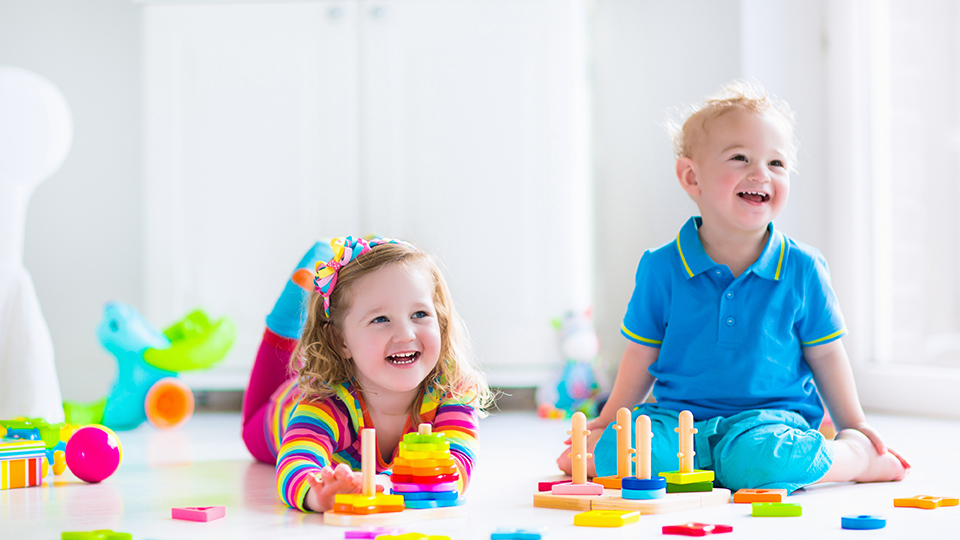
Early learning experiences—such as stacking blocks, playing with puzzles, and sorting shapes—help children develop memory, problem-solving, and reasoning skills. Reading and storytelling also introduce abstract thinking and language comprehension.
Children encouraged to ask questions, experiment, and make decisions become active participants in their learning. This curiosity and critical thinking become the building blocks for academic success later in life.
Language and Communication Skills
Another cornerstone of early learning is, of course, language development. From babbling to forming sentences, children learn to express their thoughts and understand others. Including children in conversations, reading books aloud, singing songs, and narrating daily activities can enrich their vocabulary and improve listening skills.
Strong language skills are directly linked to literacy. Children who are exposed to rich language environments early on are more likely to become proficient readers and confident communicators.
Social and Emotional Development
Interacting with peers and adults is another part of early learning. This way, children learn to share, cooperate, and develop empathy. There are no proper social and emotional skills without learning how to understand emotions and manage frustration.
This is essential both for mental health and academic achievement. Through play-based learning, kids practice social behaviours and emotional self-regulation. Pretending to be a doctor, for instance, can be a perfect way to learn how to navigate social dynamics in a safe and supportive environment.
Physical Development
Gross motor skills (like running and jumping) and fine motor skills (like drawing and buttoning a shirt) are also developed through early learning experiences. Physical activity promotes coordination, muscle strength, and overall health.
This is easily achieved through the simplest of activities. Outdoor play, dancing, and building with blocks in the Dubbo early learning centre are just some of the activities that support physical growth and encourage an active lifestyle.
Creating a Supportive Early Learning Environment
A nurturing and responsive environment is essential for effective early learning. Children learn best when they feel safe, loved, and valued. How can you create a supportive early learning environment?
Build Strong Relationships
Warm, consistent relationships with caregivers form the foundation of early learning. When children know they are loved and supported, they feel secure enough to explore, try new things, and take learning risks. Eye contact, smiles, hugs, and verbal affirmations help children feel connected and confident.
Use Play as a Learning Tool
Play is a powerful and natural way for children to learn. Through imaginative and exploratory play, children make sense of the world around them. They test ideas, solve problems, and express their emotions. Adults can support learning by providing a variety of play materials, joining in play, and asking open-ended questions that encourage thinking.
Create Routines and Structure
Young children thrive on predictability. Consistent routines help them feel secure and understand what to expect. Regular schedules for meals, naps, and activities support physical health and teach time management. Clear boundaries and expectations also help children develop self-control and responsibility.
Encourage Exploration and Independence
Children learn through hands-on experiences and active exploration. Providing opportunities for them to make choices, try new activities, and solve simple problems fosters independence and resilience. Celebrate their efforts, even if they don’t get things right the first time. These small wins build confidence and a love of learning.
Expose Children to Language and Literacy
Reading to children daily is one of the most effective ways to support early learning. Books introduce new words, ideas, and cultures. They also strengthen the parent-child bond and promote imagination. Encourage children to tell their own stories, draw pictures, and play with rhymes and songs to make language fun.
The Role of Parents, Educators, and Communities
Supporting early learning is not solely the responsibility of parents. It requires a collaborative approach involving educators, healthcare providers, and community organizations. High-quality early childhood education programs provide structured learning environments where children can thrive under the guidance of trained professionals.
Parents play an irreplaceable role as a child’s first teachers. Their daily interactions—from feeding and bathing to talking and playing—form the core of early learning. When parents are engaged and supported, children benefit emotionally, socially, and academically.
Communities also have a vital role to play. By investing in early learning programs, providing access to child-friendly spaces, and offering resources for parents, communities can ensure that all children, regardless of background, have the opportunity to succeed.
Conclusion
There are numerous ways to support healthy development in the early years of your kid’s life. Doing all of this will help you shape your child’s ability to succeed in school and teach them how to lead a healthy life.
Make sure to nurture their curiosity, help them build relationships, and crate enriching experiences in order to look after emotionally developed children.
